Markets buzz with talk of gains, new tech, surprises ahead. Yet danger hides in plain sight, even though it quietly steers where things go. Here at Capitrox, we begin every look at prices not with hope – instead, we start by asking what could go wrong.
A fresh look at crypto trading starts by putting safety ahead of gains. Why? Because without guarding against loss first, profits mean nothing. Structure shapes danger here – code flaws, wild swings, unknown regulations. See the market through that lens, discipline follows. Clarity comes not from chasing rewards, but from mapping where things can break.
Chance Follows Risk
A single trader never escapes chance, even when unaware. Pretending danger isn’t there won’t erase it – just hides it from view. When prices swing wildly, debts pile high, systems wobble, silence around threats grows until everything cracks at once.
What could go wrong comes first now. Looking at gains happens only after the dangers are clear
- What spots might break under pressure?
- What assumptions are embedded in current prices?
- What results aren’t getting enough attention – or any at all?
Few bother checking danger first, yet rewards only matter once that’s clear.
The Structure of Risk in Crypto Markets
What seems like chance in crypto markets isn’t. The setup of the system shapes the danger, not luck. How people act inside it adds to the pattern. Built-in design drives outcomes more than surprise.
Liquidity Risk
Some corners of the crypto market hold plenty of liquidity; others hardly any. When things are quiet, trading seems smooth without issues. Yet when pressure hits, that ease tends to disappear fast.
A single large sale might shift prices fast when markets lack depth. Patchy access across exchanges makes things worse, especially if stablecoins wobble under stress.
Liquidity shows up front when risk leads the way. Instead of hiding in the shadows, it sets hard limits on what moves next.
Leverage Risk
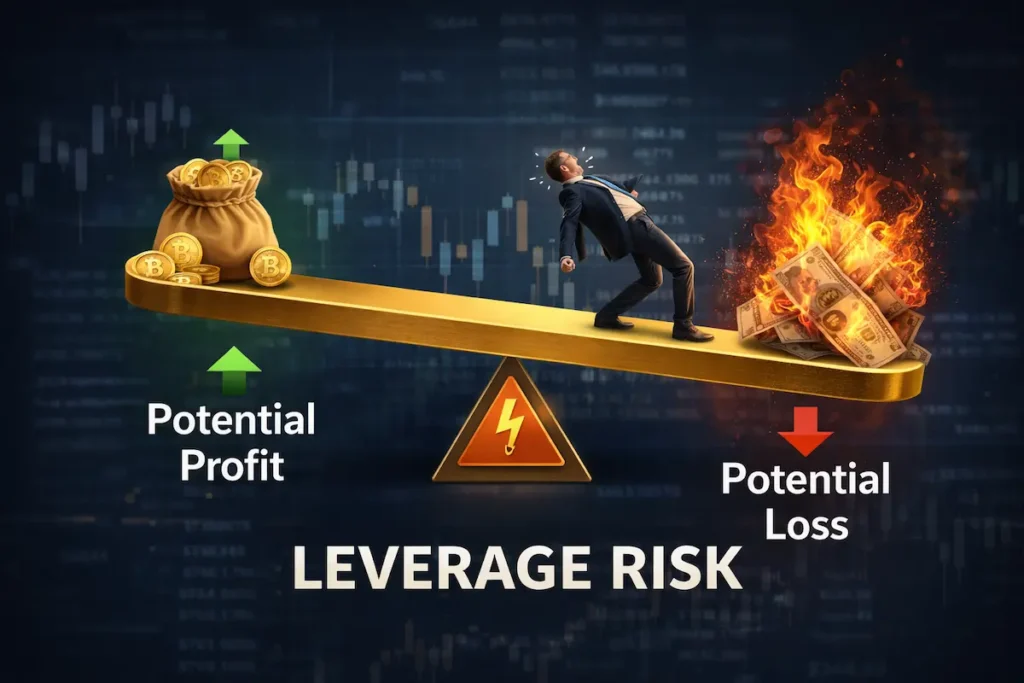
What keeps things moving in crypto? Leverage runs through it like a thread. With derivatives, traders can control large positions using small amounts of money – risk rises fast when bets stretch thin.
When borrowing boosts gains at first, risk builds underneath. A single sell-off might trigger more selling, pulling others down too.
Few notice how shifts in borrowing levels reveal danger before prices move at all.
Counterparty and Custodial Risk
Not everything runs on its own in crypto, even if that is the story told often. Power still gathers around certain groups you might not expect. Trading platforms hold much of what moves value. Storage services shape how assets are managed day by day. Some coin creators tie digital money to real world currencies. These roles bring control back into few hands.
When things go wrong here, problems spread fast – hitting people and resources distant from where it started. Because of this chain effect, who you’re linked to matters across the whole network, not just in one spot.
Starting with risk means seeing how things actually connect instead of pretending everything stands alone. Ending there shifts the focus from theory to real links between parts.
Stablecoin Risk
When things are calm, few stop to think about how steady these coins really are. Liquidity in digital currency spaces leans heavily on stablecoins.
Still, problems with stablecoins might start because of:
- Reserve composition
- Redemption mechanisms
- Regulatory pressure
- Market confidence
A single hiccup might ripple through everything – stablecoins hold up trades, loans, credit tools. When they wobble, the shake spreads.
Risk Grows Unevenly and Unpredictably
Faster drops than rises – that shapes how danger shows up in digital currency trading. Sharp falls arrive without warning, sometimes piling one after another out of nowhere.
Things stay shaky for ages without showing it. A tiny push changes everything fast. Prices won’t warn you ahead of time.
Focusing on conditions instead of sparks, risk-first analysis tries to measure nearness to breakdown. Not timing the moment things fall apart, but judging how shaky the ground already feels.
The Difference Between Volatility and Risk
What looks like chaos isn’t always danger. True threat hides deeper than price swings suggest.
What goes up fast can come down just as quick – that’s volatility. When things might go wrong, and how much they could cost, that’s risk.
Still waters often hide cracks beneath. A market might bounce wildly but stand strong at its core. Or it could sit calm while weakness builds out of sight. What matters is seeing past the obvious swings. Real insight comes from noticing what’s shaky underneath. Noise distracts. Fragility endures.
Getting this detail right changes how you see what markets do. What seems small can twist your whole view if missed.
Risk Across Market Cycles
What feels risky shifts as markets move through stages. Depending on how people act, danger takes different shapes. Sometimes it hides in plain sight. Other times it shouts before anyone listens. Phase by phase, the rules bend. Behavior bends them further.
Early Cycle Risk
Early on, when few are involved, doubt creates most of the danger. Markets can feel empty, yet borrowing stays minimal. Sometimes just waiting shapes the next move.
Facing the wrong call on how buildings heal matters more than fearing everything crashes at once.
Expansion Phase Risk
Fresh energy moves in when markets stretch wider. Hopes rise, money follows close behind. With prices climbing steadily, warnings fade into the background. What stands out is growth – concerns slip quietly away.
Things seem stable until small flaws start piling up quietly. That calm moment? Usually when danger gets ignored.
Late Cycle and Distribution Risks
Much risk piles up when markets age. With borrowing stretched thin, even small shocks can rattle nerves. Cash moves slower just as fear spreads faster. When tensions rise, confidence slips fast.
A single jolt might set off an outsized reaction. During times like these, focusing on threats ahead matters most because prices stop giving clear hints.
Risk First Thinking Instead of Predictions
Starting with risk means skipping predictions. Instead, picture what could go wrong, then weigh how probable and serious each case might be.
Instead of guessing the future, the study wonders:
- What could go wrong?
- What reaction might come from the machine?
- What spots tend to fail first?
Few things stay predictable, yet this method lessens the shock when they shift.
How Prioritizing Risk Enhances Insight Into Markets
Focusing on risk improves clarity in several ways:
- Favorable times can inflate confidence – this keeps it in check
- This sheds light on connections you might miss, along with beliefs taken for granted
- Frequent shifts in surroundings still see steady results. Stability holds firm even when conditions change unpredictably
Beyond everything else, understanding kicks in when pressure hits – this method tracks real reactions, not just quiet-time patterns.
What Risk First Thinking Isn’t
Focusing on risk isn’t about expecting the worst. This mindset doesn’t predict market collapse, yet it also avoids urging endless hesitation or doing nothing at all.
Facing risk isn’t optional – it shows up whether we like it or not. Getting how it works comes before anyone can really engage.
Still, it skips scare tactics entirely. What shapes judgment is layout, numbers, how things fit together – never feelings.
Risk Anchors the Capitrox Framework
What drives every look at markets? A focus on danger comes first. Money moves get studied by how they might strain the system. So does access to cash. Borrowing power matters too – it’s weighed for stress points. Big picture shifts also run through that same filter. The lens never changes: what could go wrong.
Far from locking in answers, it builds a steady way of thinking – consistent even when conditions shift.
Focusing on risk shifts how we look at problems – suddenly they’re easier to handle before they grow. Tough spots get managed earlier because attention lands where it matters most.
Conclusion
Out of nowhere, digital currency worlds shift – quiet dangers build up before exploding into view. Seeing what’s really going on means looking past hope or coding talent. It means staring straight at weak spots, nothing softened.
What drives markets becomes clearer through risk-first thinking. This approach trades guesswork for a step-by-step method. When circumstances shift, it shows not just outcomes – but their roots. Structure replaces assumption, making patterns easier to follow.
From here, everything else about Capitrox takes shape. Each later step rests firmly on this idea.